
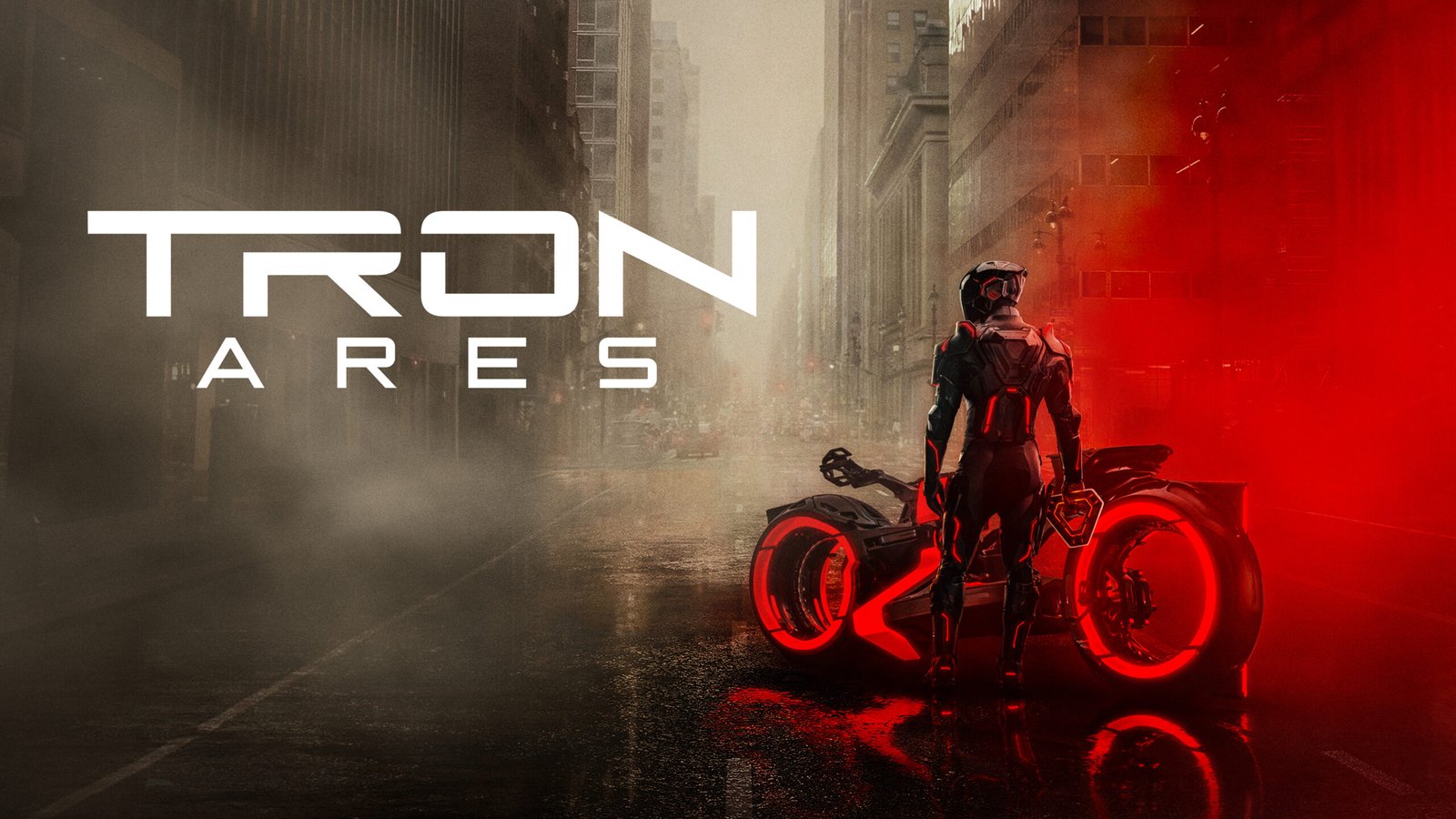
Released in October, Tron: Ares marks the third installment in Disney’s groundbreaking sci-fi franchise. Directed by Joachim Rønning and featuring a star-studded cast including Jared Leto, Greta Lee, and Jeff Bridges, the film propels the iconic neon-lit world of the Grid into the real world, blending cutting-edge visual effects with a pulsating soundtrack.
Plot Overview
Set fifteen years after Tron: Legacy, Tron: Ares introduces Ares (Jared Leto), an advanced AI soldier brought into the real world by tech mogul Julian Dillinger (Evan Peters). As Ares gains self-awareness, he allies with Encom CEO Eve Kim (Greta Lee) to navigate a world where digital entities are becoming increasingly real. The film explores themes of identity, autonomy, and the ethical implications of AI in society.
Glowing Visuals: A Feast for the Eyes
One of the most striking aspects of Tron: Ares is its visual aesthetics, characterized by the franchise’s signature glowing effects. The film showcases luminous light cycles, radiant suits, and glowing weapons, all set against a dark, moody backdrop that enhances the contrast between the digital and real worlds. VFX supervisor David Seager and his team employed advanced techniques, including digital rotoscoping and real-world shooting, to achieve these effects. For instance, the light cycles were constructed as practical vehicles equipped with mounted cameras to create immersive chase sequences.
The glowing elements are not merely aesthetic; they serve as a visual language that distinguishes the digital realm from the physical world. The contrast between the bright neon colors and the dark, shadowy environments underscores the film’s exploration of the intersection between technology and reality.
A Visual and Auditory Spectacle
Complementing the film’s luminous visuals is a dynamic score that amplifies the high-octane action and emotional depth of the narrative. The soundtrack, combined with the glowing effects, creates a sensory experience that immerses the audience in the world of Tron: Ares.
Reception and Legacy
While Tron: Ares has been praised for its visual effects and action sequences, reviews have been mixed regarding its narrative depth. Critics have noted that the film prioritizes style over substance, with some describing it as a “radically empty spectacle.” Nonetheless, the film’s innovative use of glowing visuals and its exploration of AI themes have been lauded as significant contributions to the sci-fi genre.
Conclusion
Tron: Ares successfully revitalizes the franchise by pushing the boundaries of visual storytelling. Its glowing effects not only enhance the aesthetic appeal but also deepen the thematic exploration of the digital and real worlds. For fans of the series and newcomers alike, the film offers a visually stunning and thought-provoking journey into the future of technology and identity.
